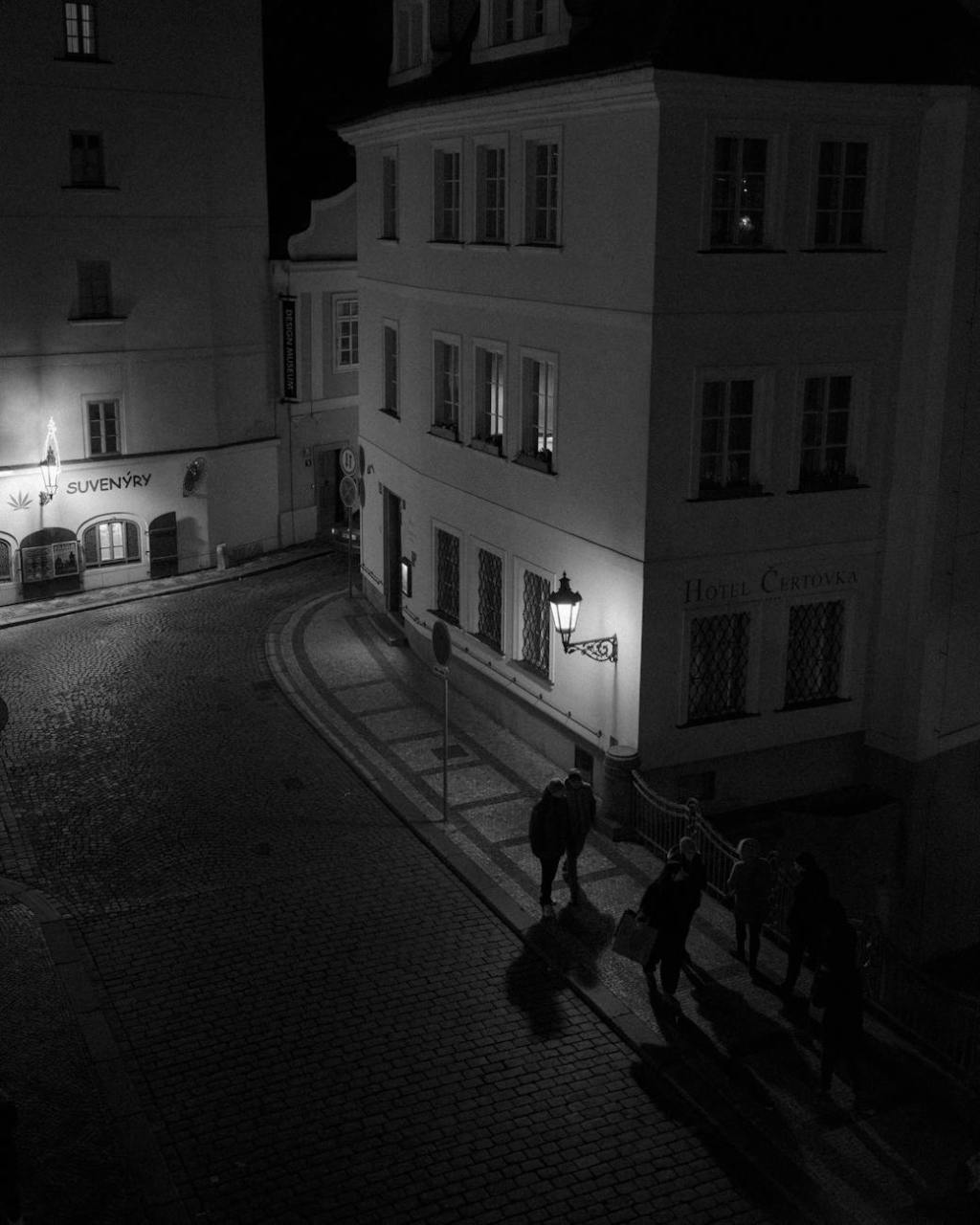
Show, don’t tell. It’s a phrase preached for over a century and most often attributed to Anton Chekhov. His general contention was not to tell the audience that the moon was shining, but to show them the glint of light on broken glass. The same idea appears in the term objective correlative, popularized by T.S. Eliot. The principle asks us to use specific objects, situations, or events to evoke emotion instead of explicitly stating it. Don’t tell the audience that your character is sad. Instead, show the wilting rose on the windowsill beneath a cloudy sky.
Every year, I assign my students a short story written entirely in scene. Before they can do this, we first establish the difference between scene and summary. At the core of every story is conflict. During moments of conflict, we should slow the tempo of the prose and allow the tension to build. This is scene. It should be vivid, dramatic, and particular. The goal is to reveal rather than explain. Characters should be active in the moment, showing us what is happening through action and behavior.
Scene is often mistaken for a matter of point of view or tense. It can be written in first or third person, past or present tense. What matters is proximity. We move with the character, step for step. The experience is intimate.
Summary, on the other hand, exists between these moments of conflict. It is panoramic, allowing the reader to sit back while the writer efficiently provides exposition, backstory, or the passage of time before returning to scene.
Here is an example of scene from James Baldwin’s Sonny’s Blues, rendered through light, motion, and sound:
“The waitress ran around, frantically getting in the last orders, guys and chicks got closer to each other, and the lights on the bandstand, on the quartet, turned to a kind of indigo. Then they all looked different there. Creole looked about him for the last time, as though he were making certain that all his chickens were in the coop, and then he—jumped and struck the fiddle. And there they were.”
And here is an example of summary from the same story, where reflection replaces immediacy:
“This was the last time I ever saw my mother alive. Just the same, this picture gets all mixed up in my mind with pictures I had of her when she was younger. The way I always see her is the way she used to be on a Sunday afternoon, say, when the old folks were talking after the big Sunday dinner. I always see her wearing pale blue.”
To reinforce this distinction between scene and summary, we read Ernest Hemingway’s Hills Like White Elephants before beginning the assignment. What makes the story remarkable is that it is composed entirely of scene and rendered through third-person objective. We are given no access to the characters’ thoughts or emotions—only what they say and do. The result is restraint, tension, and meaning created through implication.
After discussing the story, I give my students their task: write a short story between 700 and 1,000 words using strictly scene. I give them two weeks and regularly call students to my desk to check their progress. In the end, it’s the glint on the glass that stays with us, not the moon we were told to see.
Subscribe
Enter your email below to receive updates.
Copyright ©2025 Alexander C. Brito. All rights reserved.
Site designed with WordPress
 Alexander C. Brito
Leave a comment